 SEO & Content
 Paid Media
 Social Media
 Design & Development
 Branding
 Lead Generation
 White Label



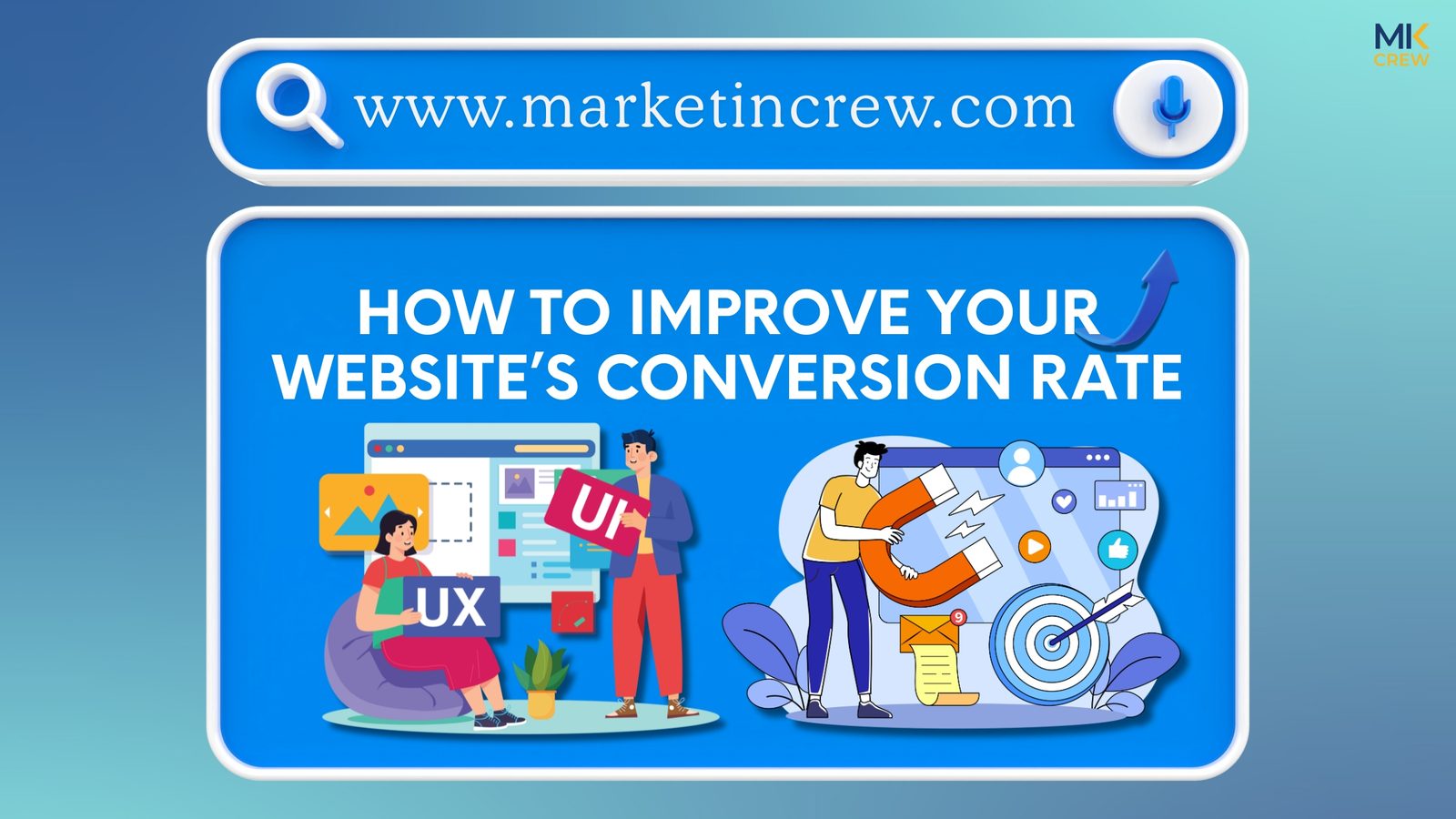
When it comes to running a successful website, the ultimate goal is often to convert visitors into customers or leads. However, many websites fail to achieve their potential when it comes to converting traffic into meaningful actions. Conversion rate optimization (CRO) is the practice of improving the percentage of website visitors who take a desired action, whether it's making a purchase, subscribing to a newsletter, or filling out a contact form. In this blog, we'll dive into actionable strategies that can help improve your website's conversion rate and turn casual visitors into loyal customers.
What is Conversion Rate?
Before we jump into the strategies, it’s essential to understand what a conversion rate is. Conversion rate is the percentage of visitors who take a specific action on your website. For instance, if 100 people visit your site, and 5 of them make a purchase, your conversion rate would be 5%. The higher the conversion rate, the more effective your website is at persuading visitors to take action.
1. Focus on User Experience (UX)
User experience is a crucial factor in driving conversions. If your website is difficult to navigate, slow to load, or not visually appealing, visitors will leave before completing any action. To enhance UX:
-
Ensure fast loading times: A delay of just a few seconds can significantly impact your conversion rate. Optimize your images, use caching techniques, and consider a content delivery network (CDN) to improve load times.
-
Simplify navigation: Make it easy for users to find what they’re looking for. A well-organized website with a clear menu, search bar, and easy-to-follow categories can help.
-
Mobile optimization: With mobile traffic surpassing desktop, having a mobile-friendly site is no longer optional. Ensure your website is responsive and functions smoothly on all screen sizes.
2. Optimize Your Call-to-Action (CTA)
Your call-to-action buttons are the gateways to conversions. If they’re unclear, hidden, or unappealing, you might lose potential customers. Here's how to optimize them:
-
Be clear and direct: Use action-oriented words like "Buy Now," "Get Started," or "Sign Up Today" to communicate exactly what you want the visitor to do.
-
Make CTAs stand out: Ensure they are visually prominent by using contrasting colors and appropriate sizing.
-
Place CTAs strategically: Position your CTAs where visitors are most likely to make a decision. This could be at the top, middle, or end of the page, depending on the content.
3. Leverage Social Proof
Social proof, such as testimonials, reviews, and case studies, can significantly boost your conversion rate. People trust what others say about your product or service more than what you claim yourself. Here's how to leverage social proof:
-
Customer testimonials: Display testimonials prominently on product pages or landing pages to build trust.
-
Product reviews: Encourage customers to leave reviews and ratings on your site. Positive reviews act as powerful endorsements for your products.
-
Case studies: Show how your product or service has solved real problems for your clients. These stories can be very persuasive.
4. Improve Website Copy
The words on your website can either persuade or deter potential customers. High-quality, persuasive copy is crucial to boosting conversions. Here are a few tips for improving your website's copy:
-
Focus on benefits over features: Instead of simply listing product features, focus on how those features solve the customer’s pain points. For example, instead of saying "Our shoes are made with leather," say, "Our leather shoes provide lasting comfort, perfect for all-day wear."
-
Use persuasive language: Phrases like "limited-time offer," "exclusive deal," or "guaranteed results" can encourage visitors to take action sooner rather than later.
-
Create urgency: Adding a sense of urgency can prompt visitors to act immediately. This could be through limited-time discounts, countdown timers, or indicating low stock levels.
5. A/B Testing
A/B testing, also known as split testing, involves comparing two versions of a webpage or element to determine which performs better. This could be testing different headlines, CTA buttons, or images. Regularly conducting A/B tests can help you refine your website and optimize conversions. Here are some elements to test:
-
Headlines: Test different wording to see which one captures attention better.
-
CTA buttons: Experiment with various colors, placements, and messaging to see which combination drives more clicks.
-
Images and videos: Test different visuals to understand which ones engage your audience more.
6. Use Trust Signals
Trust signals are elements on your website that reassure visitors that your website is secure and reliable. Without trust, visitors will hesitate to take action, especially if it involves sharing personal or financial information. Here are some trust signals you can include:
-
SSL certificates: Display a padlock icon in the URL bar to show that your site is secure.
-
Payment security icons: If you have an e-commerce site, display logos from trusted payment providers like PayPal, Visa, and Mastercard.
-
Industry certifications: If applicable, showcase any certifications, memberships, or awards your business has received.
7. Create Compelling Landing Pages
Your landing pages play a vital role in your website’s conversion rate. These pages should be designed to guide visitors towards a specific goal. Here are some tips for optimizing landing pages:
-
Keep it focused: A landing page should have one primary goal. Don’t clutter it with too much information or too many distractions. Keep the message simple and clear.
-
Use high-quality visuals: Incorporate high-quality images or videos that resonate with your audience and complement the content.
-
Offer a lead magnet: For lead generation, offer something of value in exchange for a visitor’s contact information, such as an e-book, whitepaper, or discount.
8. Implement Exit-Intent Popups
Exit-intent popups are a powerful tool to prevent visitors from leaving your website without converting. When the visitor moves their cursor towards the top of the page (as if to close the tab), an exit-intent popup can offer a discount, free trial, or other incentive to stay. This strategy can help capture conversions that might have been lost.
Conclusion
Improving your website’s conversion rate is an ongoing process that requires attention to detail and continuous optimization. By focusing on key areas such as user experience, call-to-action optimization, social proof, persuasive copy, and trust signals, you can significantly increase your website’s ability to convert visitors into customers. Don’t forget the importance of A/B testing to refine your strategies and ensure that you’re always improving.
In today’s competitive online landscape, every small improvement to your conversion rate can lead to significant results. By implementing these strategies and continually optimizing your website, you can ensure that your website not only attracts traffic but also converts that traffic into meaningful actions that drive business growth.