 SEO & Content
 Paid Media
 Social Media
 Design & Development
 Branding
 Lead Generation
 White Label




In the world of digital marketing, search engines like Google have revolutionized the way businesses attract traffic to their websites. When it comes to search engine marketing (SEM), the two most commonly used strategies are Paid Search and Organic Search. Both play crucial roles in driving traffic to websites, but they function differently. Understanding the distinction between the two is key to developing a successful marketing strategy.
What is Paid Search?
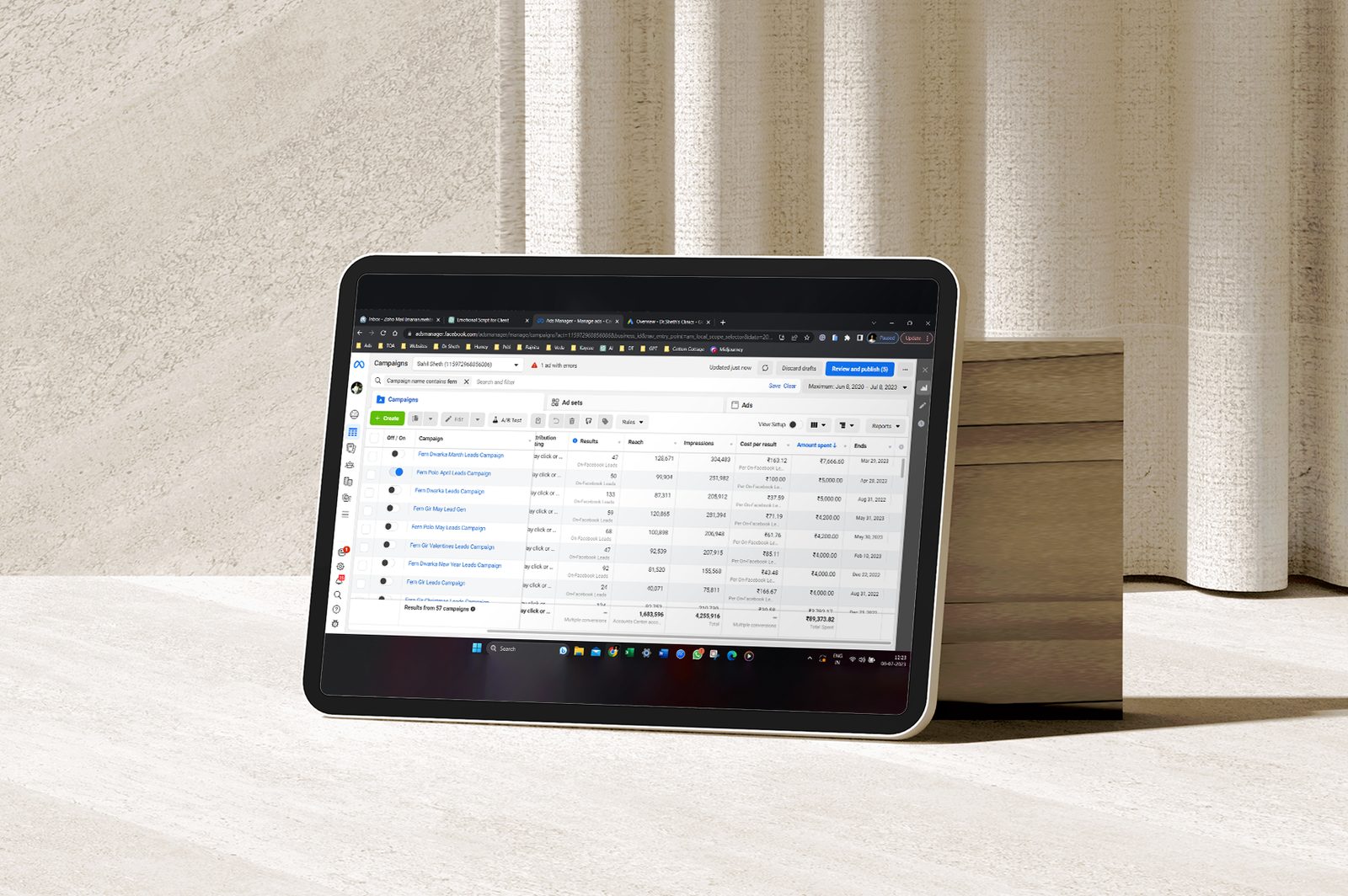
Paid Search, often referred to as Pay-Per-Click (PPC) advertising, involves businesses paying for their website to appear at the top or bottom of search engine results pages (SERPs). The most common platforms for paid search are Google Ads, Bing Ads, and other search engine advertising networks. In this model, advertisers bid on keywords relevant to their products or services, and they pay every time a user clicks on their ad. These ads are typically labeled as "sponsored" or "ad" on the search engine results page.
Advantages of Paid Search:
-
Instant Results: One of the most significant advantages of paid search is that you can start seeing traffic as soon as your ad is live. This is especially useful for businesses looking for quick visibility.
-
Targeted Audience: With paid search, you can refine your audience targeting based on factors like location, time of day, device type, and demographics.
-
High Visibility: Since paid ads are often placed at the top of the SERPs, they enjoy prime visibility, increasing the likelihood of clicks and conversions.
-
Measurable ROI: Paid search campaigns are easy to track and measure. You can see how much you spent, how many clicks you received, and how many of those clicks converted into sales.
Limitations of Paid Search:
-
Costly: Over time, the cost of PPC ads can add up, especially in competitive industries. Costs depend on factors such as keyword competitiveness and quality score.
-
Temporary Results: As soon as you stop paying for ads, your visibility disappears. This means paid search doesn’t offer long-term benefits once the campaign ends.
-
Ad Blindness: Users are increasingly ignoring paid ads, especially when they appear as banners or pop-ups. This phenomenon, known as “ad blindness,” can reduce the effectiveness of paid search over time.
What is Organic Search?
Organic Search refers to the natural or unpaid listings on search engine results pages. These results are determined by the search engine’s algorithms based on the relevance and quality of the content, the website’s authority, and its ability to satisfy the search intent. Achieving high rankings in organic search requires Search Engine Optimization (SEO), a strategy that includes optimizing content, improving website structure, earning backlinks, and making the site mobile-friendly.
Advantages of Organic Search:
-
Long-Term Results: Organic search rankings, once achieved, can provide long-lasting visibility. Quality content and well-optimized websites can continue to rank well for months or even years.
-
Cost-Effective: Organic search doesn’t require you to pay for clicks or impressions, making it a more cost-effective option for long-term growth. However, it does require time and resources for SEO.
-
Credibility and Trust: Organic results are often trusted more by users than paid ads. High organic rankings are seen as a sign of credibility, as they reflect search engine algorithms' belief that your site offers valuable content.
-
Sustainable Growth: By continuously optimizing content and building backlinks, organic search traffic can increase over time without needing a continuous ad spend.
Limitations of Organic Search:
-
Takes Time: Unlike paid search, organic search doesn’t provide immediate results. It can take weeks or even months to start seeing a significant impact from SEO efforts.
-
Constant Maintenance: SEO isn’t a one-time task; it requires ongoing effort to maintain high rankings. Google’s algorithms are constantly evolving, meaning you need to stay updated with the latest trends.
-
Highly Competitive: In some industries, achieving and maintaining high organic rankings can be very challenging, especially if competitors are investing heavily in their own SEO strategies.
Comparisons Between Paid and Organic Search
| Feature | Paid Search | Organic Search |
| Cost | Requires a budget for clicks or impressions | Free, but requires investment in SEO efforts |
| Speed of Results | Instant results after launching a campaign | Takes time to see results (weeks to months) |
| Visibility | Ads appear at the top of the SERPs | Organic results appear below paid ads |
| Sustainability | Temporary, disappears when ad spend stops | Long-lasting results with continued optimization |
| Audience Trust | Ads are often skipped or ignored | Organic results are seen as more trustworthy |
| Targeting | Can target based on location, demographics, etc. | Organic rankings are based on SEO factors |
| Measurability | Easy to measure ROI with metrics like CPC, CTR | Harder to measure ROI directly |
When to Use Paid Search & Organic Search
While paid search and organic search have their unique strengths and weaknesses, businesses often use both strategies to complement each other.
-
Paid Search is Ideal For:
-
Immediate visibility, especially for time-sensitive campaigns (e.g., promotions, product launches).
-
Competitive industries where ranking organically is difficult.
-
Targeting specific demographics or regions that require hyper-targeted ads.
-
Organic Search is Ideal For:
-
Building long-term brand credibility and authority.
-
Businesses are looking for sustainable, cost-effective growth.
-
Companies that want to rank for broad, high-volume keywords.
Real-World Example: Paid Search & Organic Search
Imagine you own a local coffee shop in Mumbai. You’ve recently launched a new menu item and want to promote it.
-
Paid Search: You could run a Google Ads campaign targeting keywords like “best coffee in Mumbai” or “coffee shop near me.” This would place your ad at the top of search results, driving immediate traffic to your site or a special offer.
-
Organic Search: You could write a blog post or optimize your website for keywords like “best coffee in Mumbai” and “best coffee shop in Mumbai for meetings.” Over time, as you optimize your site’s content and build backlinks, your website could rank in the top organic results, driving long-term traffic without paying for each click.
Conclusion
Both paid search and organic search are valuable components of a comprehensive search engine marketing strategy. While paid search offers fast, targeted results, organic search delivers long-term benefits and higher trust from users. By combining both strategies, businesses can enjoy the immediate traffic of paid search while building a sustainable, credible presence through organic search.
Ultimately, the right mix of paid and organic search depends on your business goals, timeline, and budget. For most businesses, a balanced approach is the key to maximizing search engine visibility, engagement, and conversions.