 SEO & Content
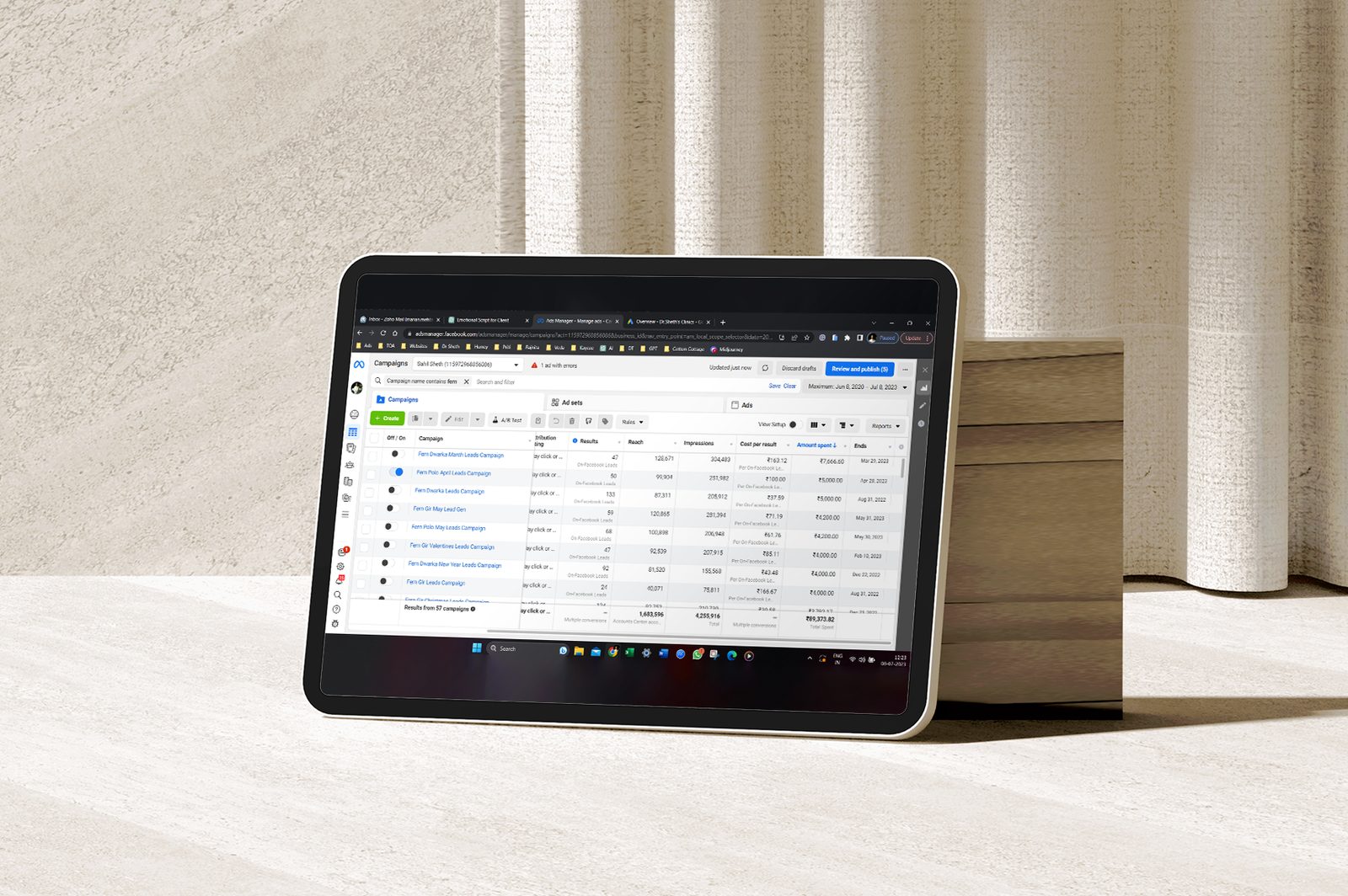
 Paid Media
 Social Media
 Design & Development
 Branding
 Lead Generation
 White Label



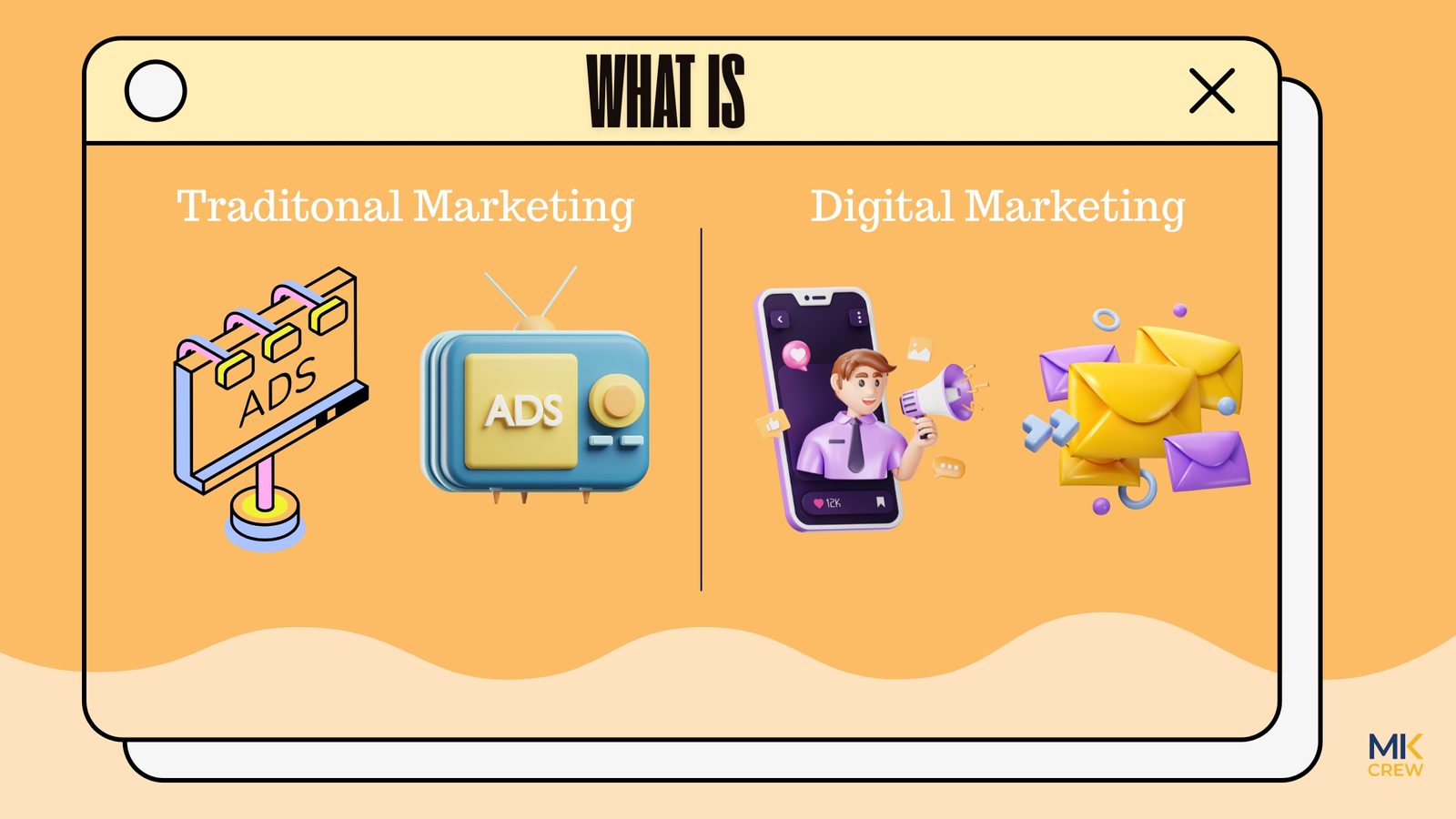
Marketing is essential for every business, but as technology has evolved, so have the ways we promote products and services. Today, businesses have two primary approaches to marketing: traditional marketing and digital marketing. While both aim to reach and engage customers, they operate very differently. In this blog, we will compare traditional and digital marketing, explore their strengths and challenges, and discuss how businesses can decide which approach works best for them.
What is Traditional Marketing?
Traditional marketing refers to the conventional ways of promoting a business that existed before the rise of the internet. This includes methods like TV and radio ads, print media (newspapers and magazines), billboards, direct mail, and flyers. It's been the backbone of marketing for decades and is typically used to target a broad audience.
Traditional marketing is generally more one-way. The business sends out a message, and the audience receives it with no immediate way for them to interact. While it remains effective in many cases, traditional marketing methods can be expensive and harder to track in terms of performance.
Key Features of Traditional Marketing:
Channels Used: TV, radio, newspapers, magazines, billboards, direct mail
Reach: Broad and mass-market, often limited to a specific geographic region
Engagement: One-way communication with little opportunity for feedback
Cost: Can be high, especially for TV, radio, and print advertising
Measurement: Hard to measure the exact ROI (return on investment)
What is Digital Marketing?
Digital marketing involves promoting products and services through online channels such as websites, social media, email, search engines, and online ads. The rise of the internet and social media has made digital marketing one of the most effective and affordable ways to reach consumers.
One of the main advantages of digital marketing is that it offers two-way communication. Businesses can engage directly with their audience through comments, messages, and social media interactions. It also provides measurable results, allowing businesses to track performance and adjust campaigns in real-time.
Key Features of Digital Marketing:
Channels Used: Websites, social media, email, search engines, online ads, content marketing
Reach: Can be global or local, with highly targeted audience segmentation
Engagement: Two-way communication with real-time feedback and interaction
Cost: More cost-effective with flexible budget options
Measurement: Easy to track with analytics, providing measurable results
Key Differences Between Traditional and Digital Marketing
| Aspect | Traditional Marketing | Digital Marketing |
| Channels Used | Print media, TV, radio, billboards, posters, direct mail | Websites, social media, search engines, email, and online ads |
| Reach & Targeting | Mass reach with limited targeting options | Highly targeted, can reach specific demographics, interests, and behaviors |
| Cost & ROI | Expensive, hard to measure ROI accurately | More affordable, measurable ROI, cost-effective with various budgets |
| Engagement & Interaction | One-way communication, no direct interaction | Two-way communication, real-time interaction via comments, messages, etc. |
| Flexibility & Measurability | Less flexible, hard to adjust campaigns mid-way | Flexible, campaigns can be adjusted based on real-time data and feedback |
Advantages and Limitations of Traditional Marketing
Advantages of Traditional Marketing:
-
Wider Reach: Traditional marketing is effective for reaching a broad audience, especially in local or regional markets.
-
Credibility: Many people still trust traditional advertising methods, such as print media or TV, which may appear more credible than online ads.
-
Tangible Impact: Billboards, flyers, and print ads often stay in front of people longer than digital ads, which can have a lasting effect.
Limitations of Traditional Marketing:
-
High Costs: Traditional marketing methods can be expensive, especially for small businesses. Advertising on TV, radio, or in major magazines can eat up large chunks of a budget.
-
Limited Engagement: With traditional marketing, businesses cannot directly interact with customers or get instant feedback.
-
Hard to Track: It's difficult to measure how effective traditional marketing campaigns are, making it hard to optimize them for better results.
Advantages and Limitations of Digital Marketing
Advantages of Digital Marketing:
-
Affordable: Digital marketing offers lower entry costs compared to traditional marketing, making it more accessible for businesses of all sizes.
-
Highly Targeted: Digital marketing allows businesses to tailor their campaigns to specific audiences, based on location, interests, behavior, and demographics.
-
Measurable: With tools like Google Analytics, businesses can track the effectiveness of their campaigns in real-time and adjust them to improve results.
-
Direct Interaction: Digital marketing opens up channels for real-time feedback, allowing businesses to build relationships with customers through comments, messages, and social media engagement.
Limitations of Digital Marketing:
-
Saturated Market: Because digital marketing is so widespread, it can sometimes feel crowded, making it difficult for businesses to stand out.
-
Ongoing Effort: To stay relevant, digital marketing requires regular updates and content creation, which can be time-consuming.
-
Dependence on Technology: Digital marketing relies on internet access, which can limit its effectiveness for certain demographics.
Digital Marketing & Traditional Marketing Examples
Traditional Marketing Examples:
-
TV Commercials: A national clothing brand runs a 30-second ad on prime-time TV to reach a broad audience across the country, promoting its seasonal collection.
-
Billboards: A local restaurant uses a large billboard on a busy street to attract foot traffic from nearby commuters, hoping to drive immediate customers to the restaurant.
-
Newspaper Ads: A real estate agent places a full-page ad in a Sunday newspaper to showcase new property listings, targeting potential homebuyers who still rely on print media.
Digital Marketing Examples:
-
Social Media Ads: A startup uses Facebook and Instagram ads to target a specific age group and location, offering discounts on their products, and tracking engagement through clicks and conversions.
-
Email Marketing: An e-commerce store sends personalized emails to its subscribers, offering special promotions based on their previous purchases or browsing behavior.
-
Influencer Marketing: A beauty brand collaborates with Instagram influencers to promote their new skincare line, reaching their followers through authentic content and endorsements.
Conclusion
Both traditional marketing and digital marketing have their place in the business world. Traditional marketing works well for broad awareness and local outreach, while digital marketing excels in targeting specific audiences and providing measurable results. By understanding the advantages and limitations of each, businesses can make informed decisions about when and how to use both methods effectively.
A balanced approach that combines traditional and digital marketing can often yield the best results, allowing businesses to reach a wider audience and build lasting relationships with their customers.
FAQs
What is traditional marketing?
Traditional marketing refers to offline methods of advertising, such as TV commercials, radio ads, print media, billboards, and direct mail. It focuses on broad-reaching, mass-market strategies.
What is digital marketing?
Digital marketing involves promoting products or services through online channels like websites, social media, email, search engines, and digital ads. It targets specific audiences using data-driven strategies.
Can traditional marketing help build brand trust?
Yes, traditional marketing methods like print ads, TV commercials, and billboards can build brand credibility and trust, especially with audiences that value established media.
How does digital marketing engage customers?
Digital marketing engages customers through interactive channels like social media, email responses, comments, and personalized content, fostering two-way communication.
Can traditional and digital marketing work together?
Yes, using both strategies together can be highly effective. Traditional marketing can build broad awareness, while digital marketing can engage and convert a more targeted audience.