 SEO & Content
 Paid Media
 Social Media
 Design & Development
 Branding
 Lead Generation
 White Label




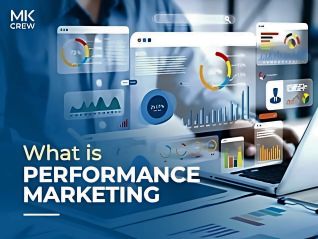
In the digital age, every business is hungry for one thing: ROI (Return on Investment). And not just vague brand exposure or gut-feel impact. We’re talking actual clicks, leads, conversions, and sales. That’s where performance marketing changes the game. It’s results-first, data-backed, and built to prove its worth.
If you’re just stepping into this world or looking to get more out of your marketing campaign, this breakdown will give you a no-fluff, human view of how performance marketing works, how it differs from traditional methods, and what metrics you need to care about.
How Performance Marketing Differs from Traditional Marketing
Traditional marketing is the old-school way of doing things. Think newspaper ads, TV commercials, radio jingles, and billboards. You put your message out there and _hope_ it reaches the right people. But here’s the catch you pay upfront, and you don’t really know what you’re getting back. There’s no clear way to track if it actually worked.
Performance marketing is the smarter, data-driven upgrade. You only pay when something happens, like a click, a sale, or a sign-up. It’s fully trackable. Every rupee spent gives you a result you can see.
Here’s a quick comparison:
Traditional Marketing
Performance Marketing
Pay before knowing the results
Pay only when results happen
Focus on awareness and reach
Focus on clicks, leads, and conversions
Hard to measure effectiveness
Easy to track every action
Used in TV, radio, and print ads
Used in Google Ads, Instagram, YouTube, etc.
Broad targeting (everyone sees it)
Pinpoint targeting (only your audience sees it)
In short? Traditional marketing is a loudspeaker. Performance marketing is a laser. One shouts, the other hits the mark.
How Does Performance Marketing Work?
Performance marketing works by focusing solely on results. Advertisers partner with publishers, platforms, or affiliates, and the cost is determined by measurable actions, such as a click, sign-up, or sale. Instead of paying upfront for ads, businesses only pay when specific actions are completed.
- Tracking and Attribution: Every action taken by a customer (click, conversion, etc.) is tracked through tracking links or pixels (like Google Analytics or Facebook Pixel). This ensures that advertisers can attribute actions directly to their campaigns.
- Cost-Per-Action (CPA): The advertiser only pays when the desired action occurs, whether it's a purchase, lead, or click. For example, in Pay-Per-Click (PPC), you only pay when someone clicks your ad. In affiliate marketing, you only pay the affiliate when a sale is made.
- No Upfront Payments: Unlike traditional marketing, where businesses pay upfront for ad placement (e.g., TV ads, print ads), in performance marketing, payment is based on real, measurable results, which reduces the risk.
Types of Performance Marketing
It’s built on trackable actions. Every rupee is tied to a result: clicks, downloads, sales, installs, whatever your goal is. Here’s what makes it tick:
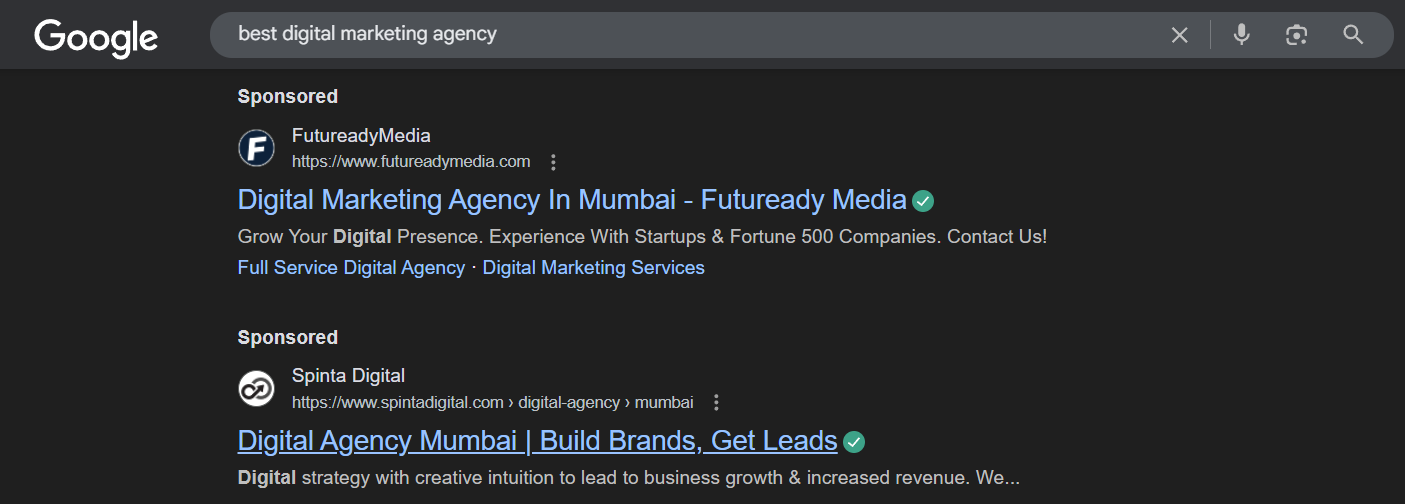
1. Search Engine Marketing (PPC)
- How it Works: Advertisers bid on keywords, and ads appear in search results. You only pay when users click on your ads (Pay-Per-Click or PPC).
- Best For: Immediate traffic, lead generation, and targeting users actively searching for related products or services.
- Platform: Google Ads, Bing Ads

2. Social Media Advertising
- How it Works: Ads are shown to users based on demographics, interests, and behaviour. Advertisers pay for actions like clicks, engagement, or conversions.
- Best For: Brand awareness, engagement, and driving website traffic.
- Platform: Facebook Ads, Instagram Ads, LinkedIn Ads, Twitter Ads


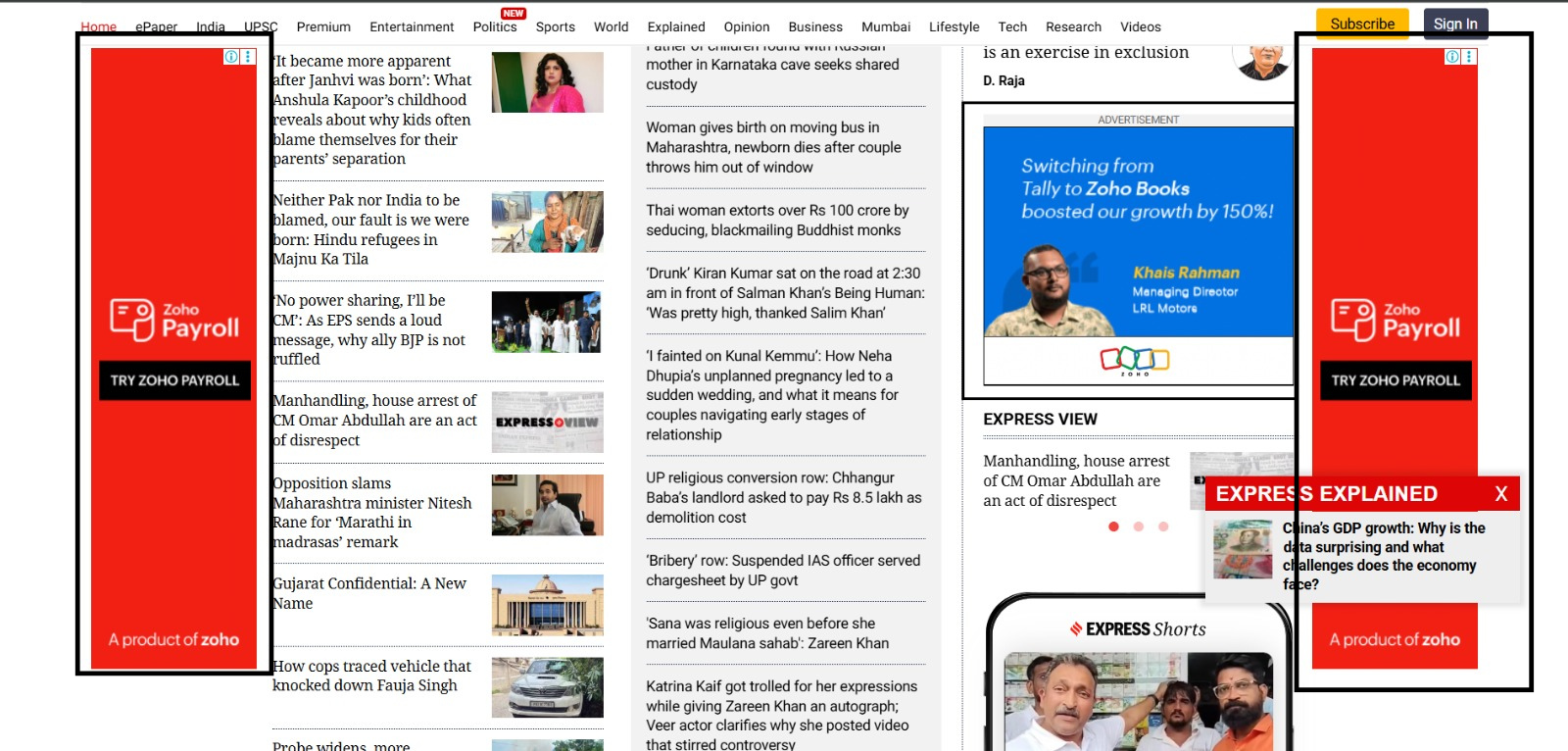
3. Affiliate Marketing
- How it Works: Affiliates promote products or services on their platforms (websites, blogs, social media), earning a commission for each sale or lead generated through their link.
- Best For: E-commerce businesses, service-based businesses looking to scale without upfront costs.
- Platform: Amazon Associates, Rakuten Marketing, ShareASale
4. Email Marketing
- How it Works: Businesses send personalised emails that encourage users to take specific actions like clicks, sign-ups, or purchases. Performance is tracked via click-through rates or conversions.
- Best For: Nurturing leads, e-commerce promotions, and customer retention.
- Platform: Mailchimp, ActiveCampaign, SendGrid, HubSpot
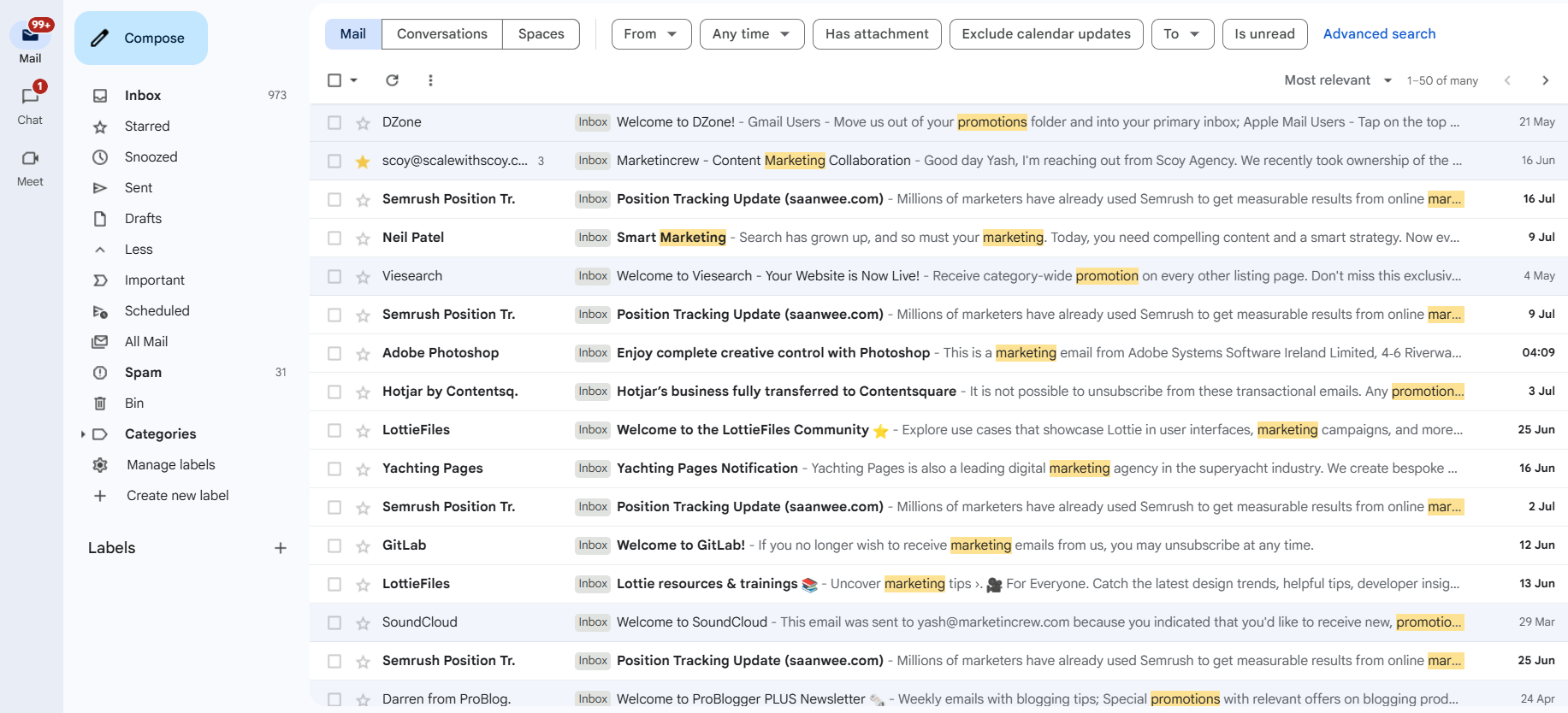
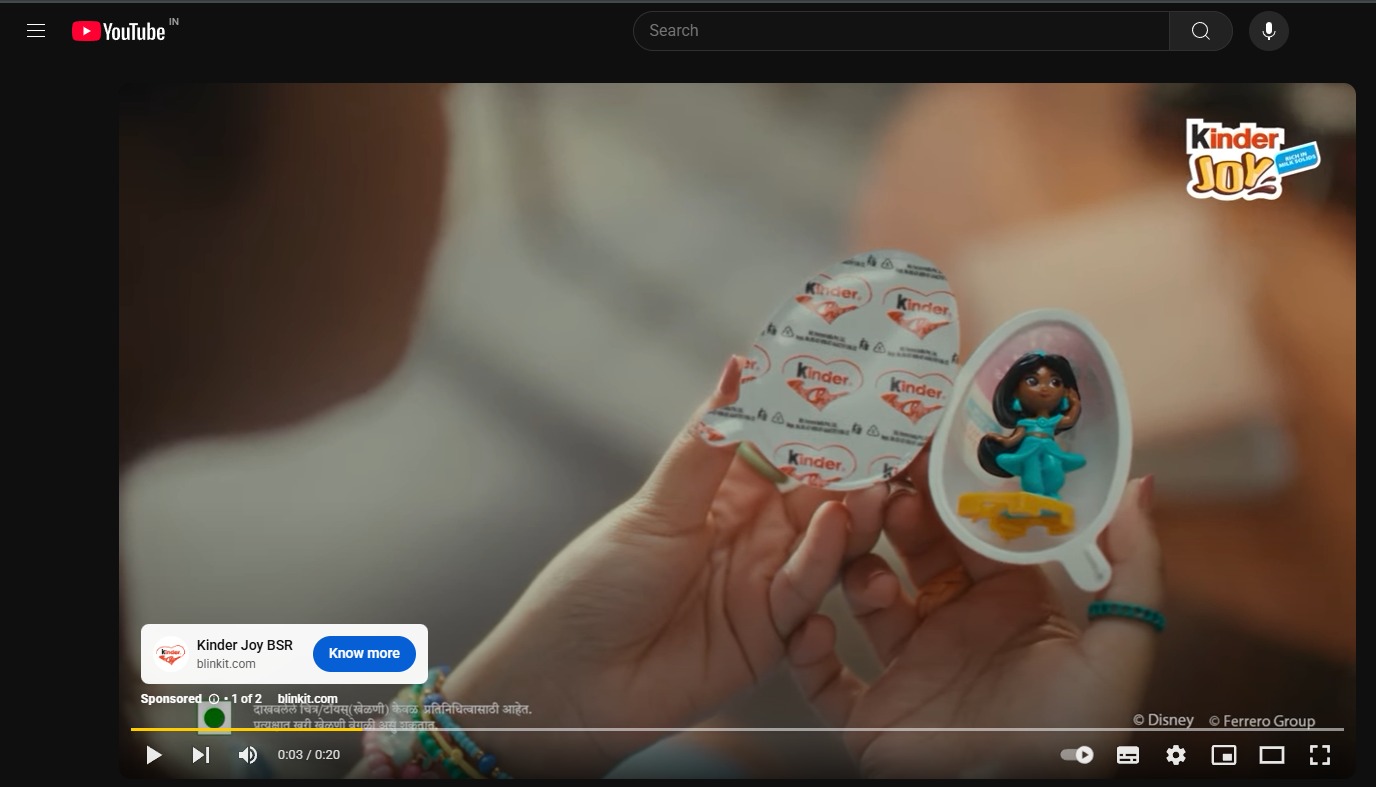
5. Video Marketing
- How it Works: Advertisers run video ads before, during, or after videos on platforms like YouTube. Payment is based on user interaction, such as views or clicks.
- Best For: Storytelling, brand awareness, and showcasing products in an engaging format.
- Platform: YouTube Ads, TikTok Ads
6. Influencer Marketing
- How it Works: Brands collaborate with influencers to promote products or services, with compensation based on actions like sales or sign-ups. Influencers may use affiliate links or special discount codes.
- Best For: Reaching targeted audiences through trusted personalities with large followings.
- Platform: Instagram, TikTok, YouTube
How to Measure the Performance of Paid Ads
1. Click-Through Rate (CTR) Tells you how compelling your ad is. It tells you how many people actually clicked on your ad after seeing it. If that number’s low, chances are your creative isn’t doing its job, maybe the headline isn’t catching eyes, or the visual just doesn’t hit. A high CTR means you’re saying the right thing to the right people. [How](http://people.How)to Calculate -
Total Clicks
CTR = ---------------------------- X 100 Total Impressions
2. Cost Per Click (CPC) This one’s simple: how much are you paying every time someone clicks your ad? The goal is to maintain this number at a low level without compromising quality. If you’re spending a lot per click, but not getting results, it’s time to rethink your targeting or your ad copy. [How](http://copy.How)to Calculate -
Total Cost CPC = --------------------X 100% No. of Clicks
3. Conversion Rate (CVR) Clicks are great, but what happens after someone lands on your site? That’s where CVR comes in. It shows how many of those clicks resulted in actual outcomes, such as sign-ups, purchases, or downloads. If people are landing but not converting, your ad might be overpromising, or your landing page just isn’t convincing. [How](http://convincing.How)to Calculate -
Conversions
CVR = -------------------------- X 100
Total audience
4. Cost Per Acquisition (CPA) CPA is where the real business math kicks in. It tells you how much it’s costing you to get one paying customer or lead. High CPA? You might be wasting money. Low CPA? You’re in the sweet spot. It’s the clearest way to see if your campaign is worth the spend. [How](http://spend.How)to Calculate -
Total Marketing Costs
CPA = -------------------------------------------
No. of New Customers AcquiredX 100%
5. Return on Ad Spend (ROAS) How much revenue are you generating for every rupee spent? ROAS tells you how much you’re making for every rupee or dollar you spend on ads. If you’re putting in Rs. 1 and getting Rs. 4 back, your campaign’s doing its job. If you’re barely breaking even, something needs fixing. [How](http://fixing.How)to Calculate -
Revenue from Ads
ROAS = ------------------------------ X 100
Cost of Ads
6. Bounce Rate The percentage of users who visit your landing page but leave without interacting. A high bounce rate can point to a disconnect between the ad and the landing page or a poor user experience. [How](http://experience.How)to Calculate -
No. of single-page sessions
Bounce Rate = ------------------------------------------ X 100
Total no. of sessions
Best Viral Marketing Campaigns
Conclusion
Performance marketing isn’t just a new trend; it’s the evolution of digital marketing. It’s smarter, faster, and more measurable than traditional brand marketing. You know exactly what works and where your money goes.
If you’re running online marketing without measuring your cost per conversion, customer acquisition cost, or ROAS, you’re shooting in the dark. And with tools like Google AdWords, tracking platforms, and social media marketing, there’s really no excuse.
Whether you’re a startup building a marketing funnel or a brand scaling across media advertising, performance marketing is your route to sustainable, measurable growth. From native advertising to display ads, influencer outreach to search engine marketing, it’s all part of a connected, data-driven marketing ecosystem.